What Does a Fractional CMO Do?
What Does a Fractional CMO Actually Do in the First 90 Days?
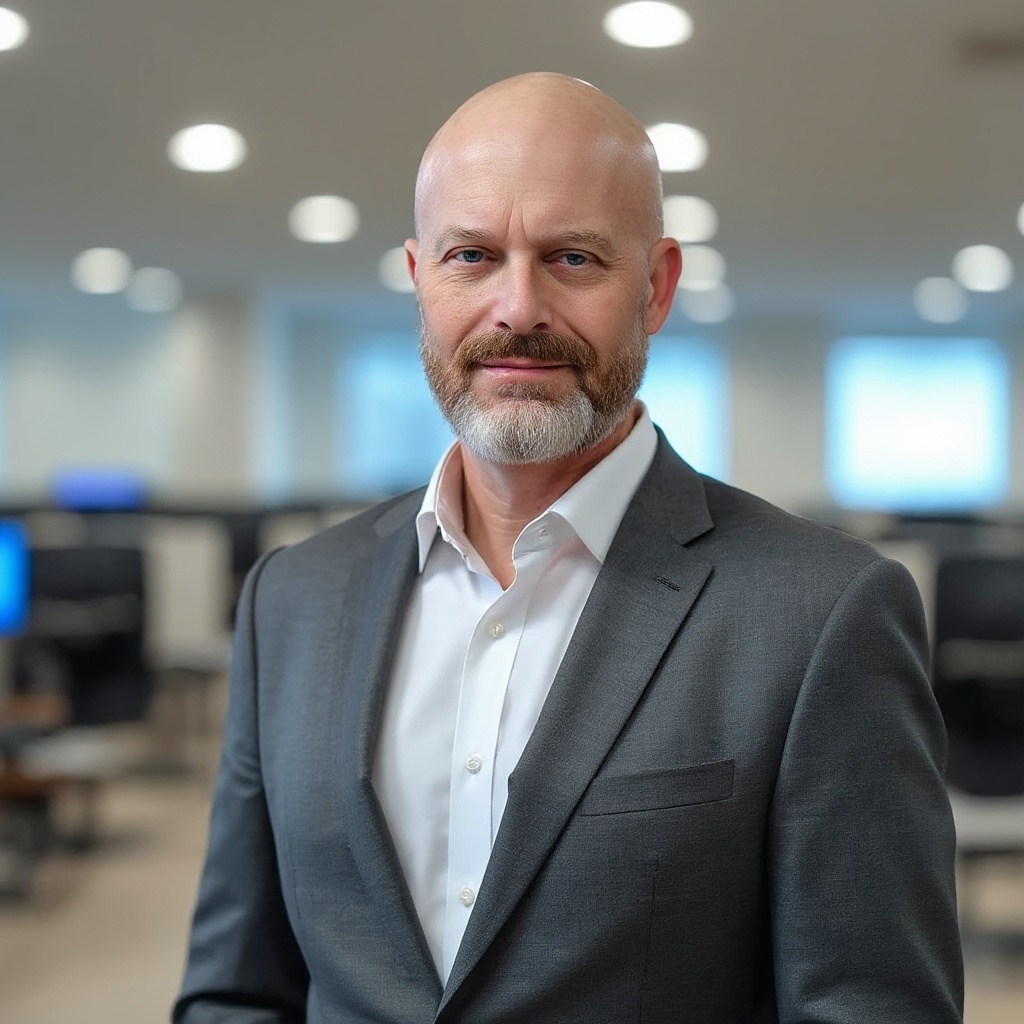
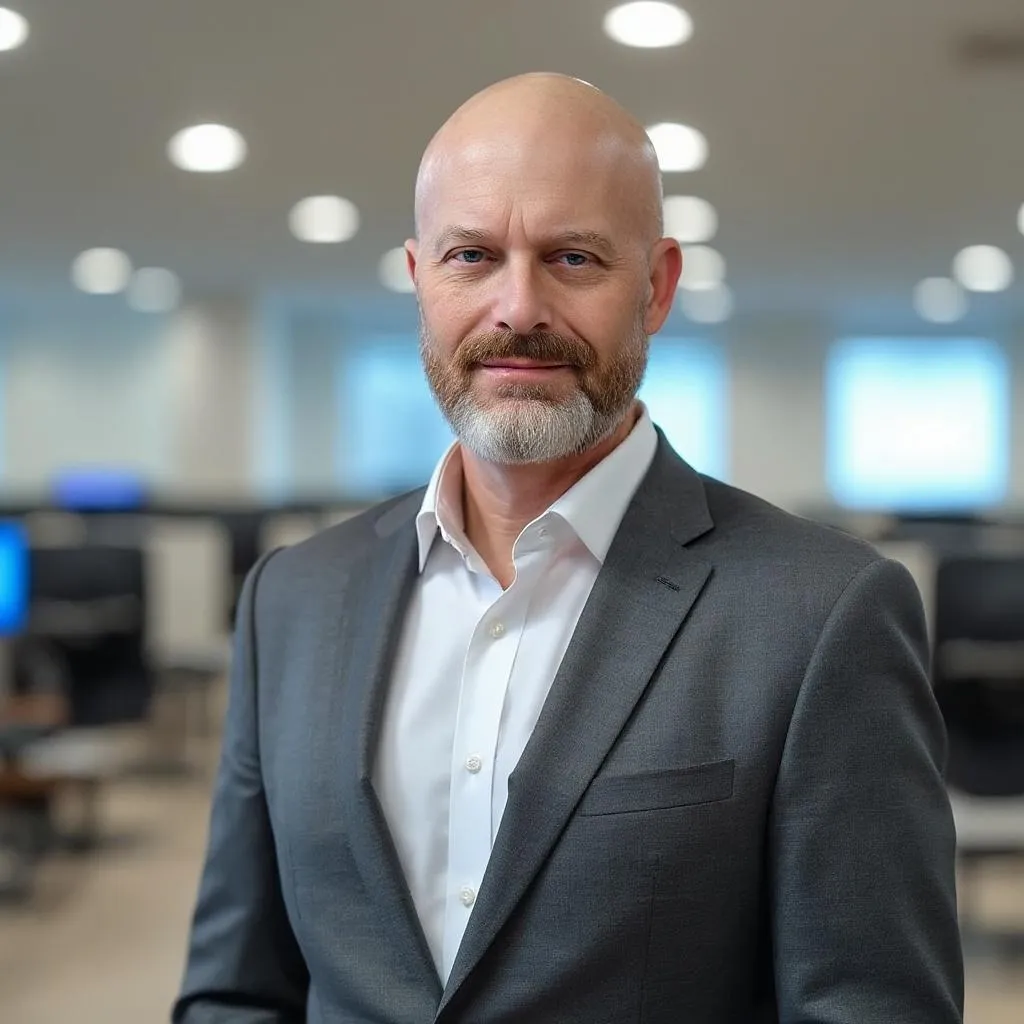
By Scott Peterson, Fractional CMO at Momentum AI Agency | Brighton, Michigan
Most business owners who hire a fractional CMO expect a marketing plan on day one. A slide deck of tactics. Maybe a new logo. Definitely some ads.
That's not how it works. At least not if it's going to work long-term.
The first 90 days are about diagnosis, not tactics. You wouldn't expect a doctor to write a prescription before running tests. Marketing leadership works the same way. The businesses that get the best results let the first month be about understanding the problem before jumping to solutions.
Here's what the first 90 days actually look like when I step into a business as its fractional CMO.
Days 1-30: Understanding How the Business Actually Runs
The first thing I look at isn't the marketing. It's the intake.
How do leads come in? What happens when someone fills out a form on the website at 9 PM on a Tuesday? Who follows up, and how fast? Is there a CRM, and does anyone use it? Where does the customer database live, and when was the last time someone contacted the people in it?
These aren't marketing questions. They're operations questions. They tell me more about where growth is breaking down than any ad account will.
I sit in on sales calls. I interview your sales/client/account/customer engagement team. I read through the CRM notes. I look at the Google Business Profile and read the reviews, both what clients say and how (or whether) the business responds. I check lead response time, because that number alone tells me more than most dashboards.
In most businesses, the answer surprises the owner. Leads come in and sit for hours, sometimes days. Past clients who spent thousands sit in a database nobody has touched in a year. The review profile has gaps. The website captures interest but doesn't turn it into actionable steps.
None of this is criticism. Owners are running their businesses. They don't have time to audit their own marketing systems. That's the point of bringing in a fractional CMO. In the first month, I have a clear picture of where demand originates, where it leaks, and what's being left on the table. That picture drives everything that follows.
Days 30-60: Building the Plan (And Having the Discipline Conversation)
This is where the 12-month marketing plan gets built. Not a deck of aspirational goals. A sequenced plan with specific priorities, realistic timelines, and clear ownership of who does what.
Sequencing matters more than most people realize. The order you implement marketing tactics matters more than which tactics you choose. I've watched businesses drain their budgets by running paid ads before their lead-capture systems were ready. Leads come in, nobody responds fast enough, and the ad spend evaporates. The ads worked. The foundation didn't.
So the plan starts with what needs to be fixed first.
Usually, that means lead response and follow-up systems. If leads are coming in and sitting unanswered, no amount of new marketing will fix the revenue problem. Speed to lead wins; that term is now cliché, but it is the actual description necessary. Research shows the first business to respond captures the opportunity more often than not, and most businesses take hours to follow up on web inquiries. Fixing that gap is often the highest-ROI move available.
After response systems are solid, we build a reputation and referral infrastructure. Reviews, follow-up sequences, and referral capture. Then we look at the existing database for reactivation opportunities. Most businesses are sitting on thousands of dollars in recoverable revenue from leads they already paid to acquire and never worked properly.
Only after all of that is stable do we talk about scaling with paid advertising or new demand generation.
This is also when I have the discipline conversation with the owner. The plan only works if we follow it. Not for two weeks. Not until something shiny comes along. The pattern I've seen for 35 years is this: a solid strategy gets built, works for six to eight weeks, then someone sees a competitor run a Facebook ad or a new tool gets pitched, and the plan gets shelved. Decisions become reactive. When results stall, the strategy gets blamed, even though it was never followed.
My job is to prevent that. Plan the work, work the plan. That's the operating philosophy, and it gets stated early so there are no surprises.
Days 60-90: Execution Begins
By month three, the first systems are live. Lead response automation is running. The review engine is active. Past clients are getting reactivation outreach. Baseline metrics are documented so we can measure what actually changes.
This is where the experience starts to feel different from working with a traditional agency.
With most agencies, the owner chases updates. Sends emails asking what happened with last week's deliverable. Sits in status meetings that cover activity but not results. The agency is busy, the reports are full, and the owner still doesn't know if any of it is moving the needle.
With a fractional CMO, the dynamic flips. You mention something once, and it gets handled. You don't chase it down or wonder if it fell through the cracks. The CMO sits at the table with you, not across from you, waiting for instructions.
By the end of 90 days, the owner typically sees three things clearly. First, where the real opportunities were hiding, almost always in the existing database and response speed. Second, what a coordinated marketing system looks like compared to fragmented tactics. Third, whether the relationship is working and worth continuing.
Most of mine have lasted years. Some for over a decade. That longevity isn't accidental. It comes from doing the diagnostic work upfront, building a realistic plan, and then being accountable for making sure it's followed.
The Honest Truth About Hiring a Fractional CMO
It's not for everyone. If you want someone to just run your ads or post on social media, you need a vendor, not a CMO. If you want someone to sit at the table, diagnose what's broken, build a plan around your real budget, and stay accountable for results, that's a different conversation.
The first 90 days are about earning the right to lead your marketing by understanding your business first. The tactics come after the thinking, not the other way around.
If that approach makes sense to you, that's a good sign we'd work well together.
Frequently Asked Questions
What does a fractional CMO do in the first month?
The first month is an audit. I look at how leads come in, how fast they get a response, what happens in the CRM, and where opportunities are missed. The goal is to understand how the business runs before recommending any tactics. Most growth problems stem from intake and follow-up, not advertising.
How is a Fractional CMO different from a marketing agency?
Agencies execute tasks and deliver reports. A fractional CMO provides strategic leadership at the decision-making level. I sit at the table with the owner, own the plan, and stay accountable for whether results materialize. The difference is leadership and accountability, not just deliverables.
How long does it take to see results from a fractional CMO?
Foundation work takes 60-90 days. Early wins often show up in the first month from fixing lead response speed and reactivating past clients. The compounding results, where systems build on each other and growth accelerates, typically develop over 6-12 months of disciplined execution.
What size business needs a fractional CMO?
Businesses with $500K to $10M in annual revenue that have outgrown in-house marketing but aren't ready for a full-time CMO hire. The sweet spot is owners who know marketing matters but don't have the bandwidth or expertise to manage it as a coordinated system.
How much does a fractional CMO cost?
It varies by scope and engagement level, but it's significantly less than a full-time CMO salary. The better question is ROI: what's one missed lead worth to your business? One additional client per month from faster response and better follow-up usually covers the investment several times over.
Scott Peterson is the founder and CEO of Momentum AI Agency in Brighton, Michigan. He operates as a fractional CMO for businesses that need strategic marketing leadership without the overhead of a full-time executive. To schedule a strategy conversation, visit momentumagency.ai/strategy-call or call (810) 510-3837.